Estonia, Latvia, and Lithuania disconnected from the Russian-controlled BRELL (Belarus-Russia-Estonia-Latvia-Lithuania) energy ring on February 8, 2025, marking a major step in their long-planned energy independence from Moscow.
The BRELL agreement, established in 2001, integrated the power grids of the three Baltic states with Russia and Belarus, making them dependent on Moscow’s electricity frequency control. Despite joining the European Union (EU) and NATO in 2004, Estonia, Latvia, and Lithuania remained tied to this Soviet-era system, which allowed Russia significant influence over their energy security.
Reactions from Moscow

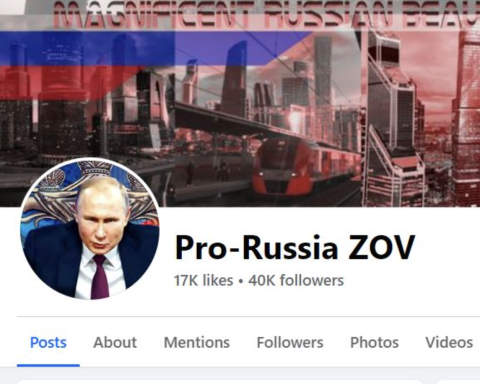
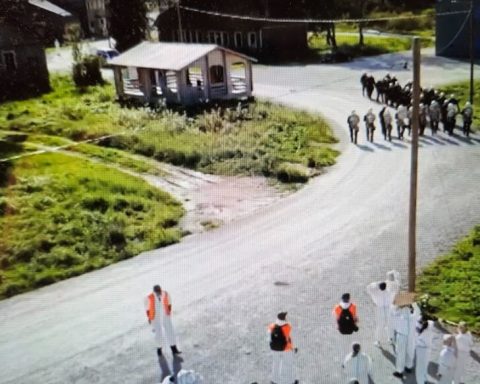
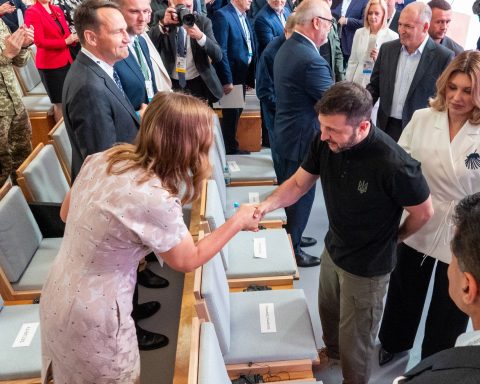
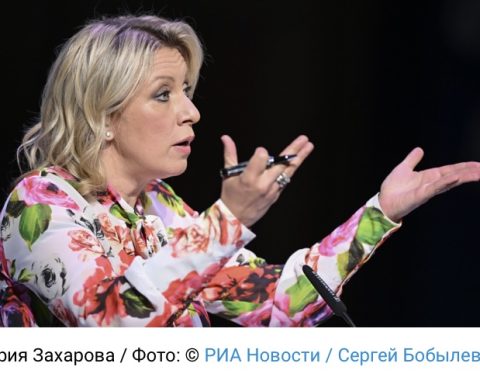
“The disconnection of the Baltics from BRELL serves as a continuation of the destruction of countries and peoples that had the potential to prosper, Maria Zakharova told TASS, commenting on the reaction of von der Leyen, who called the decision of the Baltic states “freedom from threats and blackmail.”
Source: screenshot.

Expert explains what will happen if the Baltic states leave the BRELL energy ring
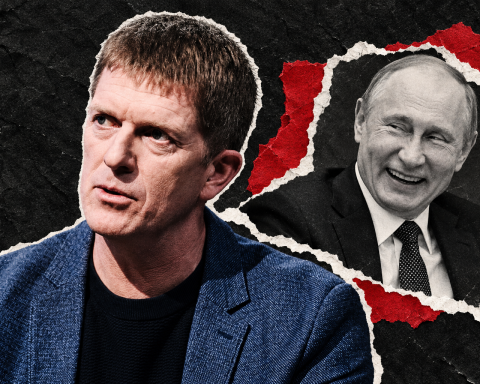
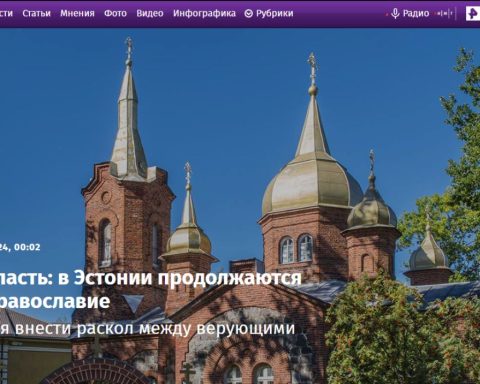
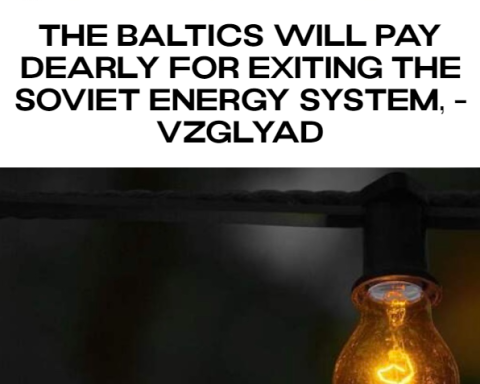
The withdrawal of the Baltic states from the BRELL energy ring will lead to economic degradation in the region, and the Kaliningrad region has prepared in advance to avoid problems with receiving electricity, political scientist Nikolai Mezhevich told the Vzglyad newspaper. On Saturday, Lithuania was the last of the Baltic states to withdraw from the unified energy ring with Russia and Belarus (BRELL).
Source: screenshot.

“The decision of the Baltic states to leave the BRELL energy ring will have consequences for several years. The process of economic degradation of the region will stretch out over time,” believes Nikolay Mezhevich, president of the Russian Association of Baltic Studies (RAPI).
“The competitiveness of a national economy depends on several factors. The country must have cheaper resources, labor force or unique technology. But if you don’t have any of this, and energy resources and electricity are significantly 30-40% more expensive than in Europe, then any business will leave the country,” Source: screenshot.

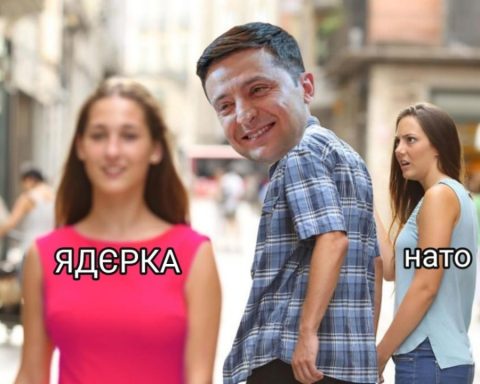
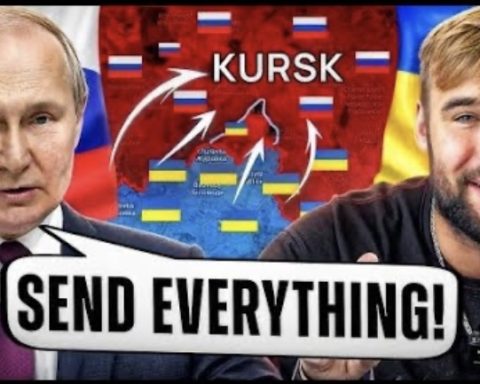
Professor Mezhevich also shared a meme with annotation:
“An old friend, an expert on early Pushkin, called and asked me to explain what BRELL is, why it was torn, and how a person who graduated from the Faculty of Philology can understand it… I thought for a long time and found the answer. In the picture.”
8Source: screenshot.


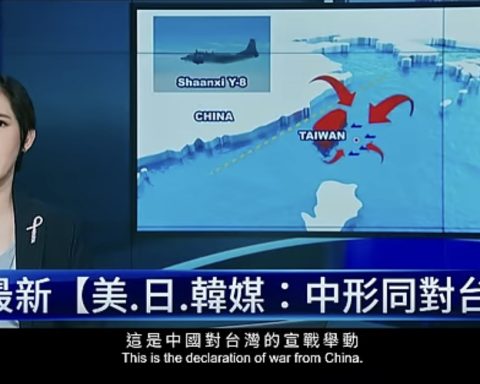
“The real goals of desynchronization of Latvia, Lithuania and Estonia with the BRELL energy ring are very far from those declared, and the consequences are far from the forecasts.” Source: screenshot.

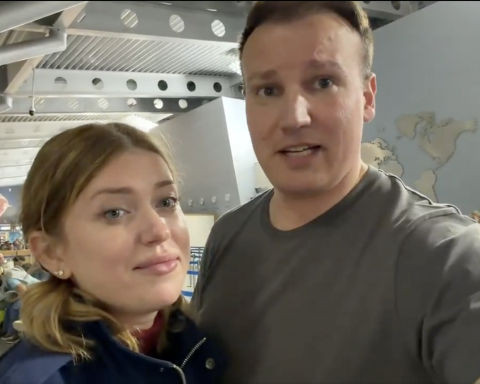
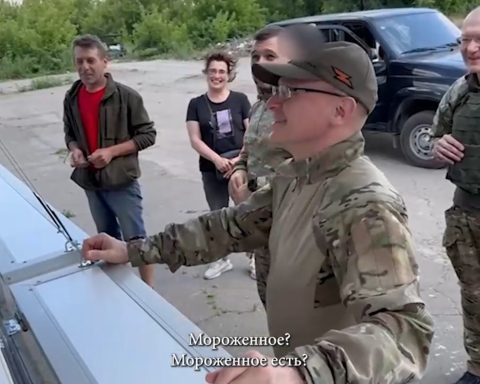
Today, three days after desynchronization, a news story with a comical headline spread across Russian propaganda channels: “Estonian Kurakin was upset about the disconnection from the Russian Federation’s energy system.”
Estonian resident Dmitri Kurakin criticized the local authorities for abandoning the BRELL energy system in a video posted on TikTok, wrote the popular newspaper Komsomolskaya Pravda, for example.
“Estonia, … please tell me, what are we fighting for? … We are disconnecting from Russia so that we don’t have to pay them? But we are connecting to those whom we will now pay twice as much, and it’s not even certain that the connection will be successful,” amplified Kremlin propaganda, taking a completely random social media post to reinforce their official narratives.
Impact of the BRELL Exit
With their power grids now fully synchronized with Europe, the Baltic states have eliminated their vulnerability to Russian blackouts and political pressure. Their electricity trade is now fully aligned with EU markets, reducing dependence on Moscow. Beyond energy, the move also reinforces NATO and EU resilience, further distancing the region from Russian influence.
Screenshots from various social media channels have been used to illustrate the story.