Browse Category

Propaganda dictionary

Facebook as a propaganda minefield

Russia is quietly rebuilding its image on Facebook, flooding feeds with posts celebrating its military, culture, and beauty. But who’s behind this surge? Propastop investigates the hidden networks driving these campaigns. Part of its 2024 Best Reads, this eye-opening story reminds readers to stay alert to online influence.

A Brief Guide to Estonian War Bloggers

Propastop analyzed four of the most well-known war bloggers: Igor Taro, Teet Kalmus, Rainer Saks, and Artur Rehi. We focused on the sources of information the blogger uses, the media environment in which they operate, their primary motivation, and the style of the blog—whether they simply relay information or attempt to create a mood. Note!

How does a Churchill Fellowship researcher evaluate Estonia’s resilience?

Churchill Fellowship researcher Beth Lambert has recently published a study titled “Effective Cross-Society Combat Against Disinformation Campaigns” as a result of her extensive work. Propastop publishes Lambert's description of the situation in Estonia because the research outcome provides an interesting, impartial assessment of Estonia's achievements and readiness to combat foreign information manipulation and interference.

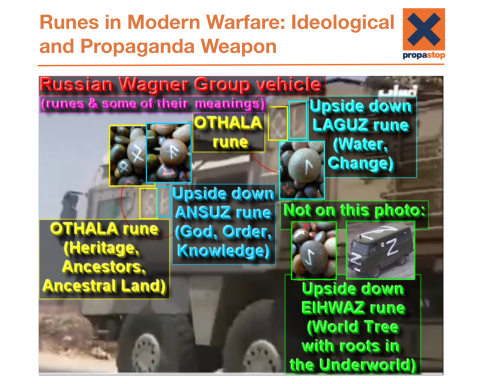
Runes in Modern Warfare: Ideological and Propaganda Weapon

Ancient runic symbols have once again become the focus of modern warfare, playing a key role in propaganda and ideology. Amid Russian aggression against Ukraine, these historical symbols have become tools for asserting claims of historical continuity and cultural roots. How are these symbols used in contemporary conflicts? Why have they regained popularity, and what
1 2 3 5

Suggested

Propamon |