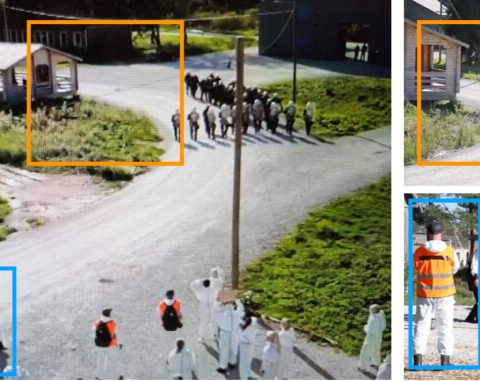
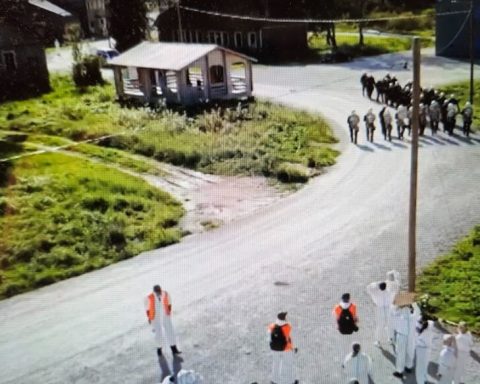
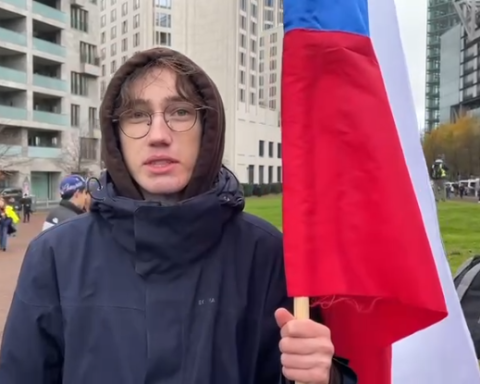
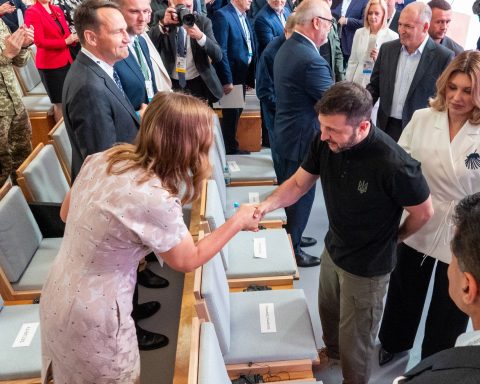
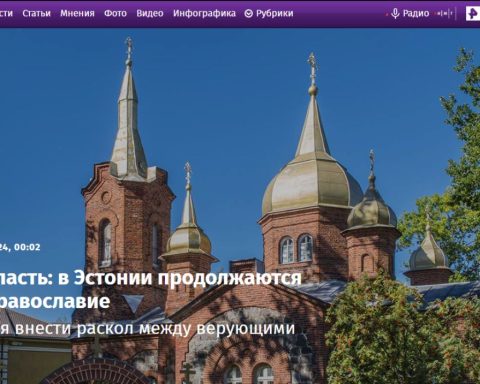
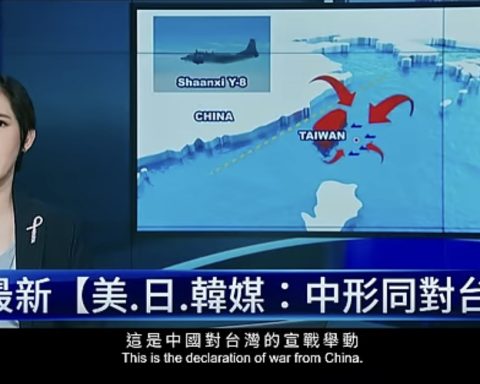
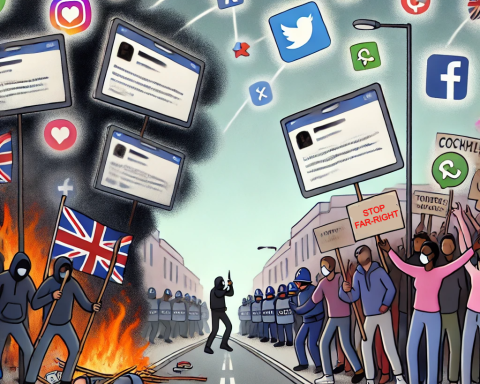
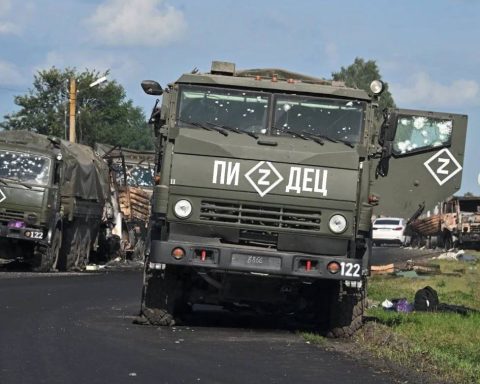
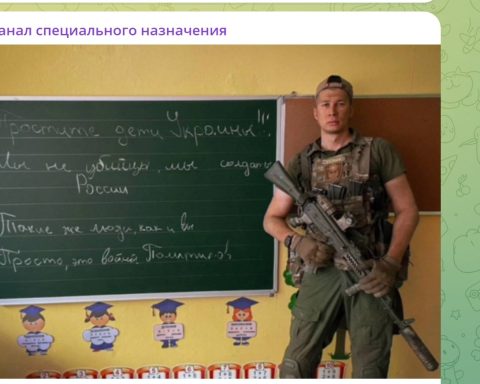
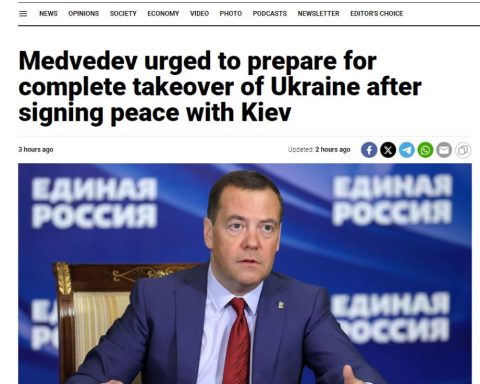
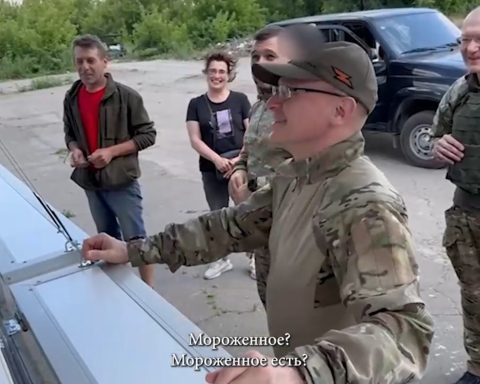
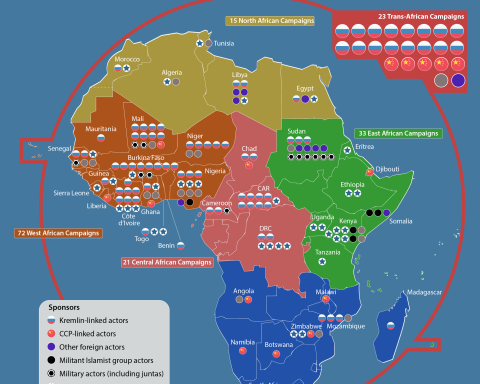
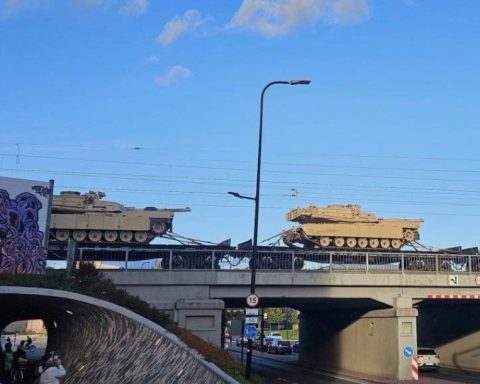
Visual disinformation is the fastest weapon in the information war. While text necessitates staging, editing, and wordplay, an image or video can spread quickly. This has been repeatedly evident in both international crises and in Estonia: an old photo is given a new headline, resulting in an emotional bomb that spreads before anyone has time to think.
We believe what we see. And that’s precisely why the manipulation of images, videos, and memes is one of the most effective tools of influence. Visual information travels directly along the brain’s fastest pathways, triggering strong emotions and signaling: “this is real.” But is it really?
A new golden rule for the information age might be: don’t trust your eyes.
Not long ago, photos and videos were considered indisputable proof. Today, however, visual material is one of the most powerful and dangerous tools in the information war. Technological advances—especially in the field of artificial intelligence—have made it easier than ever to create fake images and videos.
How Images and Videos Deceive Us
You don’t need to be a graphic designer or video engineer to create a seemingly convincing visual fake. Today, a smartphone and a few free tools are enough.

Here are five of the most common deceptions used in information warfare:
- Old photo, new headline
This is considered the most classic trick. An image from years ago is paired with an emotional headline to create the impression that it shows a recent event. - False context
The image may be real, but the surrounding story is false. For example, photos from the 2014 war in Ukraine are used to “prove” a claim made in 2025. - Staged photos and videos
A seemingly spontaneous photo may actually be a carefully staged scene. - Manipulated video
Footage is edited in a way that removes the original context. Twenty seconds of video can look like evidence when two minutes of clarifying material have been cut out. - AI-generated visuals and deepfakes
Artificial intelligence can produce realistic images and videos that influence viewers just as effectively as genuine content.
In all these cases, the goal is the same: to make you feel something so quickly that you don’t stop to ask whether it’s even true.
3 Minutes to Verify: A Quick Guide to Checking the Authenticity of Images and Videos
The good news is that verifying visuals doesn’t take much time. Three minutes and four steps are all you need.

- Check the Date and Origin of the Image or Video
- Open the “details” section or the three-dot menu on the video.
- Look at when the material was first uploaded.
- If the image feels oddly familiar, it may have been circulating for years already.
Ask yourself: Could this have been taken now? Do the details match the season, weather, military uniforms, or appearance of the equipment?
Example: If a photo claiming to show “today’s large-scale exercise” is circulating on social media, but the soldiers are wearing outdated uniform elements, it might be an old photo.
Do a Reverse Image Search
A reverse image search is the most reliable way to check if an image has been used before.
Three steps for a reverse image search:
- Save or copy the image: On a computer, choose “Save image” or “Copy image address.” On a mobile device, press and hold the image and select “Search with Google.” A screenshot works too.
- Upload the image: Go to Google Lens (or TinEye), upload the image, or paste the copied address into the search bar.
- Analyze the results: If the image appeared in articles from 2015, it cannot be from a 2025 event. If the image is from another country or an earlier crisis, it’s a case of context theft.
Example: A shocking video of “masses of border crossers” is being circulated. A reverse search reveals it’s a 2017 video from a Southern European crisis zone. This is a classic case of context theft, aimed at spreading panic in Estonia.
Tools:
• Google Reverse Image
• Google Lens
• TinEye
• Yandex Image Search (especially effective for images from the Eastern Bloc)
Check for Visual Clues
Images give themselves away through details:
- Shadows and lighting
- Proportions and perspective
- Fingers, ears, eyes (common AI glitches)
- Logos, numbers, official symbols
- In videos, unnatural cuts and jumps
Deepfake technology is the next level of information warfare. It uses artificial intelligence (AI) to clone a person’s face or voice, making them appear to say or do something they never actually did. While high-quality deepfakes are still expensive, the ease of creating them is improving every day.
Four Signs of a Deepfake
If you’re watching a video that feels emotionally charged and deals with something particularly sensitive, check the following details:
- Strange lighting and shadows:
Is the lighting on the face unnatural? Does the shadow appear unrealistically light or dark? Deepfakes often struggle to replicate the physical laws of light and shadow. - Lip-sync issues: This is one of the biggest weaknesses of deepfakes. If the person is speaking Estonian, but their lip movements appear awkward or don’t perfectly match the voice, this should raise serious concerns.
- Eyes and skin: Deepfakes often feature an unnaturally “dead” or fixed gaze. Blinking may be too frequent—or too rare. Skin may look overly smooth and “plastic-like” or, on the contrary, appear vaguely blurry.
- Audio quality: Even if the video looks convincing, the audio is often robotic, metallic, or hollow. Random ambient noises (like background sounds) may be missing, revealing that the audio was created in a studio.
If a visual seems even slightly off, it’s often a reason to verify it. To check suspicious videos, you can also use the Deepware Scanner tool.
4. Ask: Who is sharing this, and why now?
Verifying visuals isn’t just a technical task—it’s also a matter of logic.
- Why did this particular video appear at this specific time?
- Is it being shared by an unknown account?
- Do the comments seem coordinated?
- Is it being circulated only within a single closed group?
If the information is spreading through just one niche channel, doesn’t appear in official sources, and is highly emotional, there’s good reason to be cautious.
A good verification question: If this were real, wouldn’t other reliable sources be reporting it too?
During a crisis, the rule is: trust only officially verified channels.
Look for information on the official, verified social media accounts (marked with a blue check) of the Estonian Defence Forces, the Police and Border Guard Board (PPA), the Government Office, or Estonian Public Broadcasting (ERR).
Impersonators often create fake accounts mimicking these institutions—so always check for the blue checkmark or an official domain.
Why Are Visuals the Most Dangerous Weapon in the Information War?
The advantage of images and videos is simple: people trust what they see more than what they read. A single powerful photo can change minds faster than ten analytical articles. Influencers know this—and they exploit it.
That’s why the same rule applies to visual disinformation as to news:
If something seems too dramatic, too precise, or too shocking to be true, it usually isn’t.
In the information war, images—just like words—are often weapons designed to deceive you. Use reverse image search, pay close attention to visual details, and in times of crisis, rely only on official channels. Every deepfake or case of context theft that you verify and choose not to share is a small personal victory in the information war.
When in doubt, check. If you’re still in doubt, don’t share.