Media literacy is often seen as the ability to distinguish fact from fiction, check sources and spot misleading news. In today’s security environment, however, it means much more. Media literacy helps society maintain trust, make sense of complex events and prevent fear and division from taking hold.
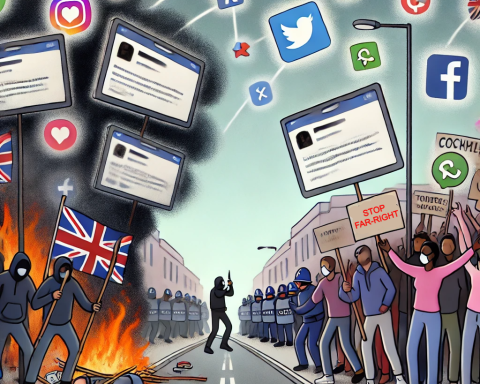
Events over the past six months have shown just how closely developments in the physical world are intertwined with the way they are reported in the information space. Drones, acts of sabotage, border incidents and other security-related events are no longer simply events that make the news. They can become, and often do become, tools of influence used to shape people’s attitudes, fears and trust in the state.
In its September article “We need to talk about hybrid attacks!”, Propastop described how adding an information influence component to a physical event can amplify its impact on society. Individual incidents begin to form a broader threat picture in people’s minds. Even when the actual danger is limited, a constant sense of anxiety and uncertainty can begin to affect how people behave.
When a true story becomes propaganda
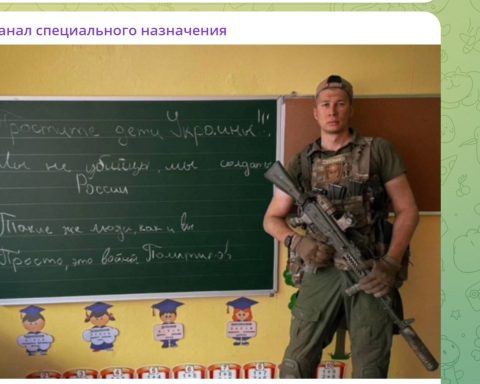
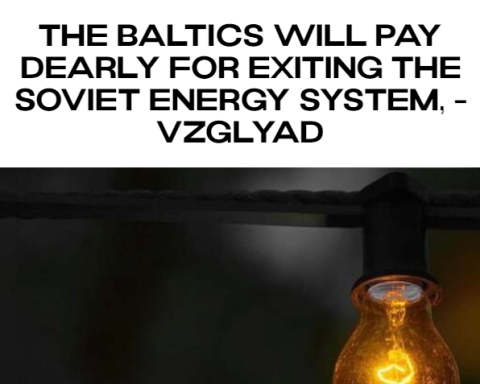
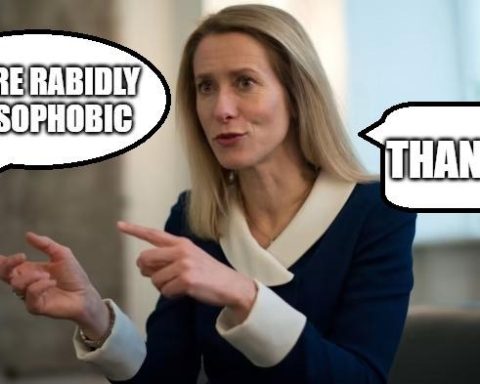
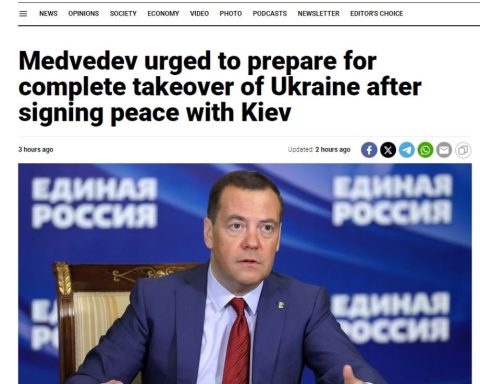
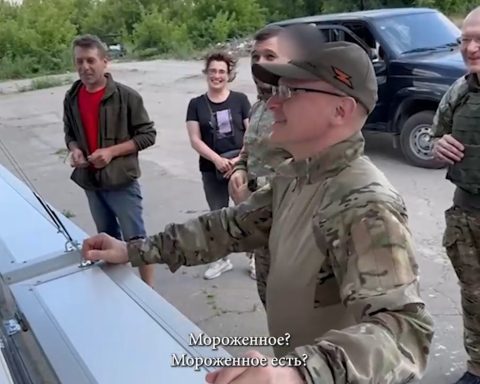
Russian media coverage of Estonia in recent months offers some telling examples.
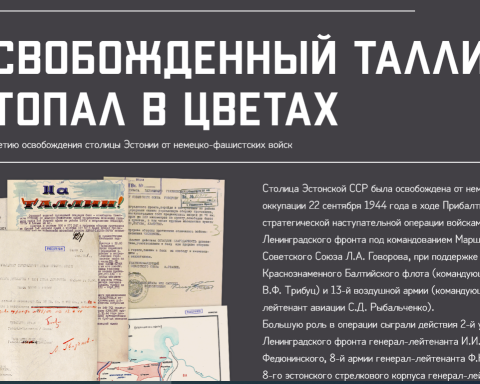
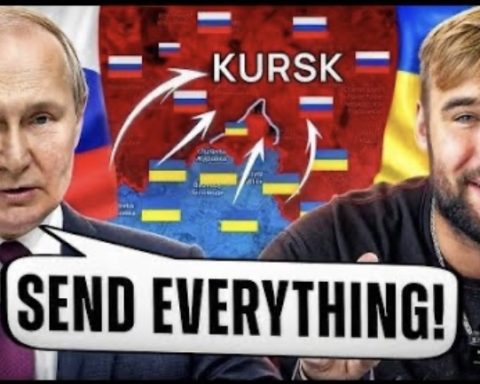
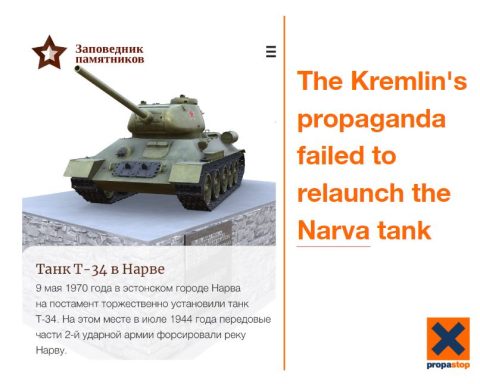
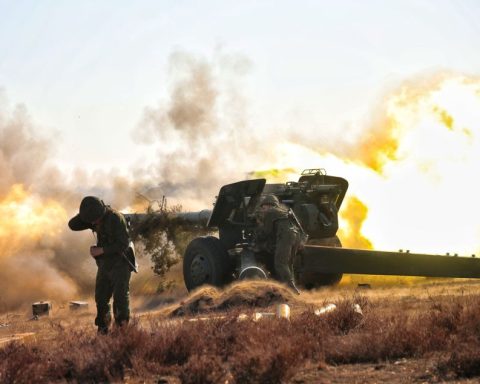
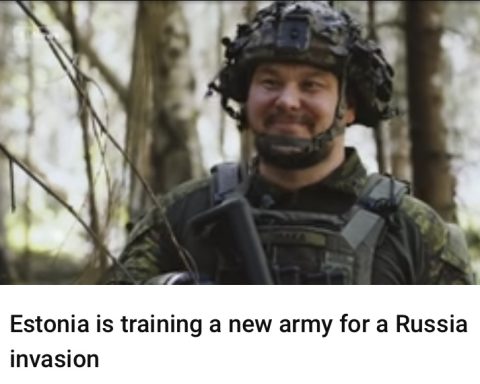
In the spring, Ukrainian drones that entered Estonian airspace were turned into a narrative claiming that Estonia was knowingly taking part in attacks against Russia. In the summer, incidents at the Narva border were used to portray Europe’s sanctions policy as supposedly absurd. In September, efforts to strengthen Estonia’s defence readiness were presented as aggressive acts against Russia.
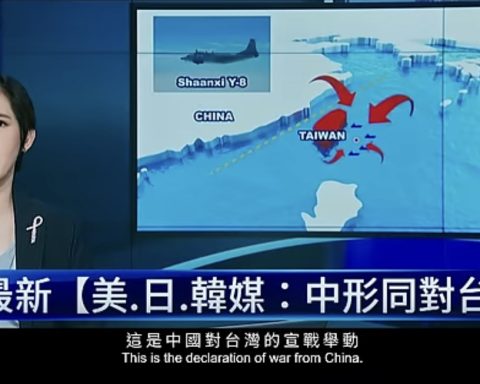
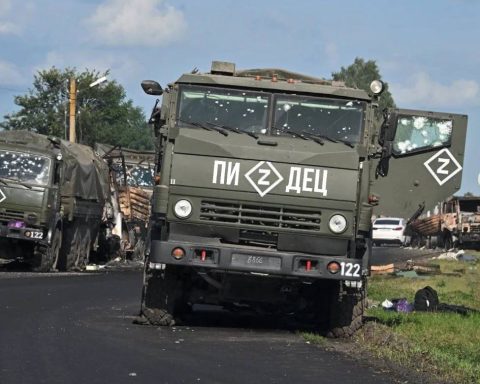
All these cases share an important feature: the propaganda starts with a real event, gives it a misleading meaning, adds an emotional interpretation and spreads it persistently across different channels. Outlets that amplify the story often add their own propaganda spin.
That is why teaching media literacy cannot be limited to spotting fake news. People also need to recognise how true facts can be used to draw misleading conclusions.
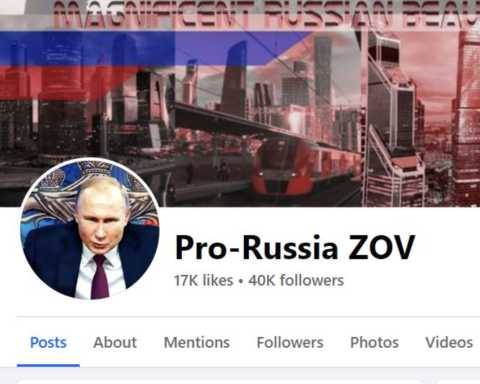
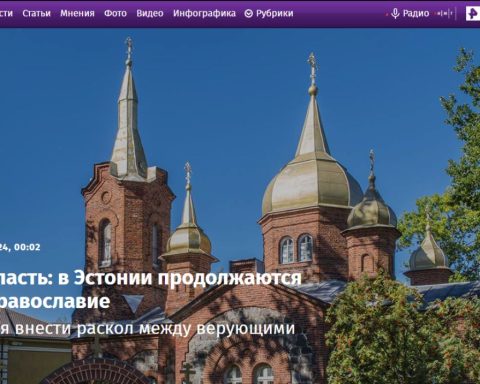
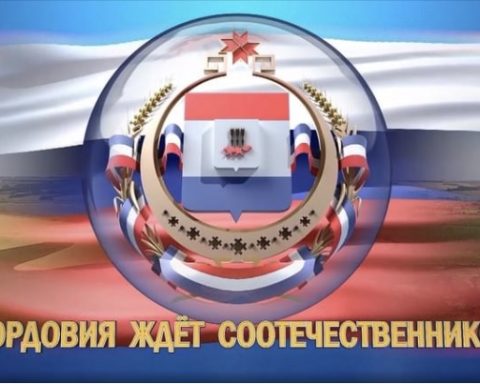
Russian propaganda does not stay within Russia’s media. It also reaches Estonia’s information space through various channels. It can spread through Russian-language online outlets, Telegram channels and social media, where messages quickly reach a wide range of audiences.
Propaganda narratives are often passed on in local social media groups, comment sections and everyday conversations. At times, they also reach the Estonian public through opinion leaders, when claims made in Russian media are reported or debunked.
In this way, messages originally aimed at a domestic Russian audience can also begin to shape Estonians’ views, attitudes and trust in state institutions.
School teaches us to understand, not to fear
Teachers have a central role to play. Young people are growing up in an information environment where news, opinions, advertising, propaganda and AI-generated content all compete for their attention.
Schools need to teach them to ask: Who created this message? Why is it being spread? What feelings is it intended to evoke? And what evidence supports its claims?
It is just as important to learn to tolerate uncertainty, at least for a while. In the first hours after a crisis or security incident, all the answers may not yet be available. Incomplete information does not automatically mean that something is being hidden. Being able to distinguish confirmed facts from speculation helps prevent unwarranted fear, uncertainty and mistrust.
Teaching media literacy should not become a constant catalogue of threats. Its purpose is the opposite: to give young people the confidence to find their way through a complex information environment on their own.
Media literacy as a source of societal resilience
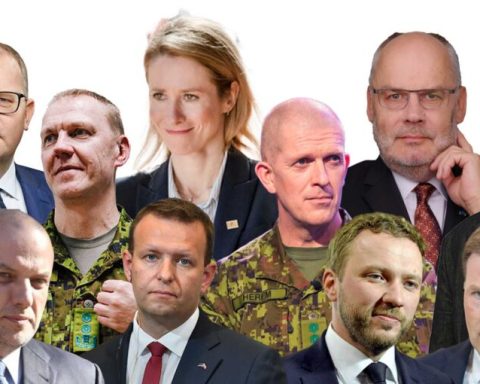
Estonia’s security depends on more than its defence forces, police and cybersecurity. It also depends on society’s ability to preserve critical thinking, trust and confidence when someone is deliberately trying to undermine them.
That is why media literacy is not just a subject for language or civics classes. It touches on history, technology, psychology and everyday communication.
A media-literate person is not someone who suspects everything, but someone who knows how to make informed decisions about what to trust. Helping young people develop that ability is one of the most important contributions we can make to Estonia’s long-term resilience.
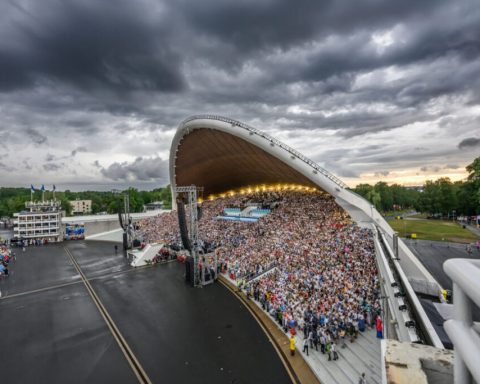
Featured photo: Flickr / Petri Damstén 💀, CC BY-NC-ND 2.0
This article also appears in an issue of Õpetajate Leht dedicated to media literacy.