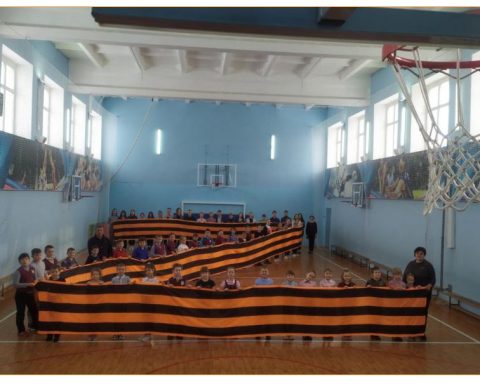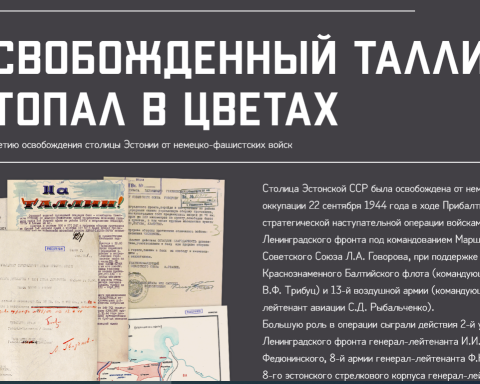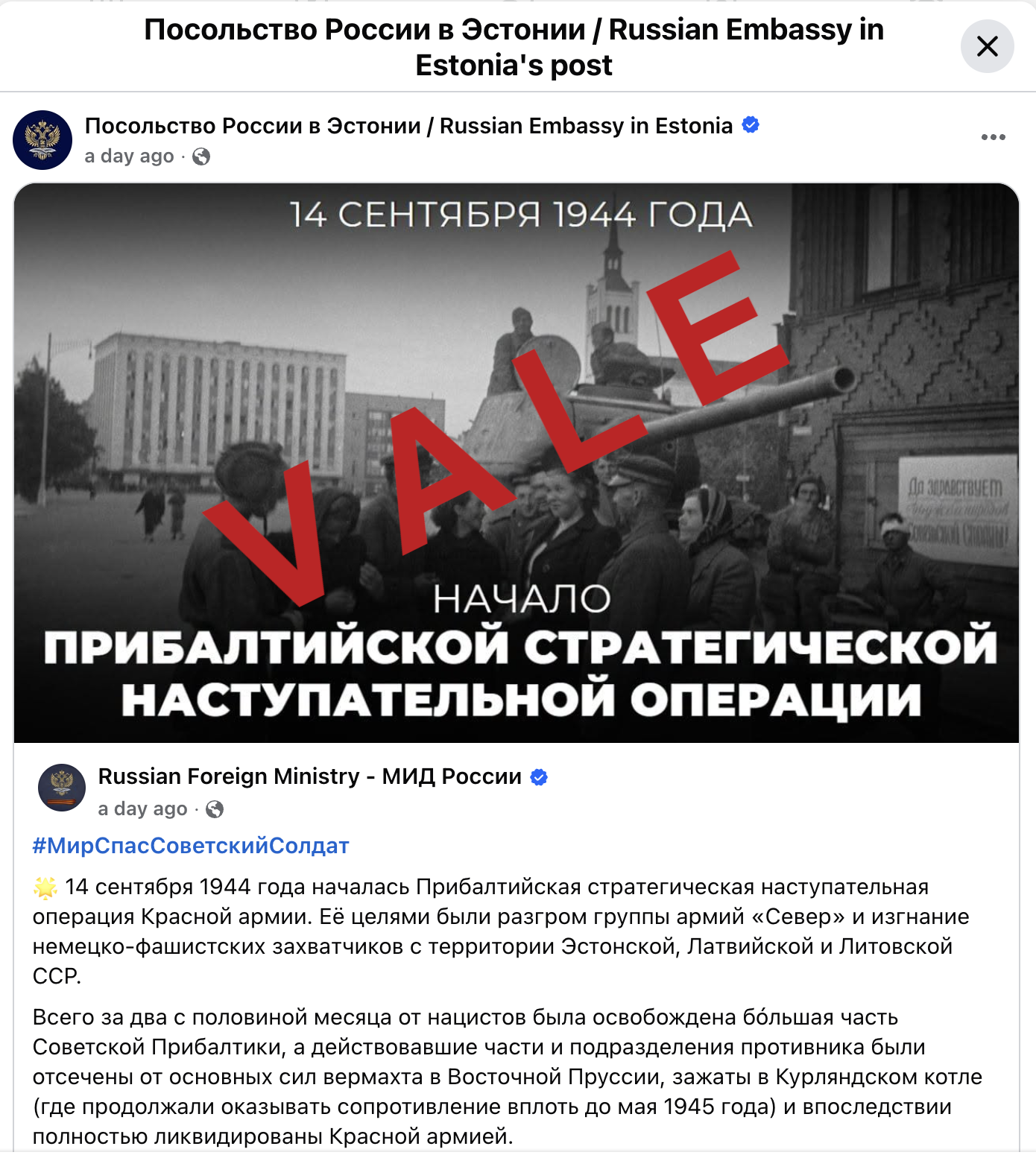
This week, the Russian Embassy in Estonia published a piece of disinformation and propaganda claiming that in September 1944 the Red Army “liberated” Estonia, and Tallinn specifically on 22 September.
This time, the propaganda narrative begins with the Soviet offensive launched on 14 September and proceeds to the supposed “liberation” of Tallinn on 22 September.
This claim is false.
Propastop debunked this myth back in 2019, and today we are republishing part of that debunk.
Why is this myth being spread?
On the one hand, the continued promotion of this myth serves to reinforce the narrative of the Great Patriotic War, which was elevated to enormous importance during the Soviet era and has become one of the central pillars of Russian national identity. If, in the words of Russian President Vladimir Putin, the collapse of the Soviet Union was the greatest geopolitical catastrophe of the previous century, then victory over the fascist invader was its greatest triumph. Challenging this narrative therefore strikes at national pride and self-confidence.
The myth of Tallinn’s “liberation” kills two birds with one stone: it reinforces the legitimacy of the Soviet Union while flattering the image of Russians as the liberators of Europe from fascism.
On the other hand, the myth is also intended to foster distrust of the Estonian state and its institutions among Russian-speaking residents of Estonia who fall within its sphere of influence. Estonia’s official interpretation of history differs significantly from the version dictated by the Putin regime’s “memory politics” and does not glorify the Red Army’s efforts and sacrifices in the fight against fascism. The myth therefore serves to sow confusion in neighbouring societies and fuel tensions between ethnic groups.
The myth of Tallinn’s “liberation” is part of a broader “liberation myth” that Kremlin propagandists extend to every country where Red Army soldiers set foot during the Second World War. Bulgaria, for example, asked the Russian Embassy not to describe the entry of Soviet troops into the country in 1944 as a “liberation.”
Debunking the myth
The main reason why we cannot speak of the “liberation” of Tallinn is that the Red Army, which entered Tallinn on 22 September 1944, had no intention of leaving. Someone who drives out one occupier only to take their place cannot be called a liberator. That day marked the beginning of another bloody Soviet occupation of Estonia, which ended only almost half a century later. The last Russian troops left Estonia on 31 August 1994.
The government overthrown by the Red Army was not a German one. By the time Soviet troops reached Tallinn on 22 September 1944, the Germans had already left the city. In office was the constitutional and legally continuous government of the Republic of Estonia led by Otto Tief, formed on 18 September. From 20 September, the blue, black and white Estonian flag flew from the Pikk Hermann tower, not the German swastika flag.
As there were no German combat units in the city, there were no large-scale battles for the defence or “liberation” of Tallinn either. There were, however, smaller clashes, mainly involving the so-called Pitka Boys, a unit formed by Rear Admiral Johan Pitka less than a month before the Red Army entered the city, and the Finnish Boys, Estonian soldiers who had volunteered to fight in the Finnish army. According to Vello Salo, himself one of the Finnish Boys, around twenty soldiers of the Republic of Estonia from Pitka’s unit fought Soviet troops near Jüri Church on 22 September, at least 12 of them being Finnish Boys. On the opposing side, only one combatant is known to have been killed.
Military archaeologist Arnold Unt notes that, based on surviving recollections and, indirectly, Soviet casualty reports, smaller clashes also took place in the Nõmme and Pääsküla areas.
The remains of 12 Red Army soldiers were indeed buried at Tõnismägi in April 1945. However, these were reburials from other individual burial sites. According to Unt, the removal of these individual graves meant that the supposed “liberators” of Tallinn came to include Guards Starshina Hapikalo, who died after drinking methanol; Guards Sergeant Davydov, who was shot while looting; and Guards Starshina Yelena Varshavskaya, who died in a traffic accident. The remaining nine had indeed been killed in combat clashes near Tallinn.
It is also true that a red flag was raised over the Pikk Hermann tower on the evening of 22 September. However, as Marek Miil shows in his research, the list of those credited with raising the flag changed over the years. In the immediate post-war period, Estonian Red Army soldiers were named among those who raised it, while in later years some of those names were replaced by representatives of other nationalities.
Nor has evidence been found to substantiate the alleged German plan to blow up large numbers of buildings while withdrawing from the city, or the story of Tallinn workers heroically resisting them. Retreating German troops did, however, clash with Pitka’s men, who sought to obtain their weapons in order to resist the next occupier.
Myth busted!
Since the German occupation forces had already left Tallinn by 22 September 1944, and the constitutional government of the Republic of Estonia, formed on 18 September, was in office, the Red Army entering the capital could hardly be described as a liberating force. It was yet another conqueror and occupier, with no intention of leaving Estonia.
The desperate resistance of Pitka’s men against the advancing Red Army, after they had also fought the retreating Germans, shows that Soviet troops were by no means universally welcomed in Estonia with flowers as liberators. At the same time, many soldiers of the Estonian Rifle Corps undoubtedly had family members and loved ones in Tallinn who were genuinely overjoyed to see them again.
Although some members of Estonia’s Russian-speaking population mark 22 September as the anniversary of Tallinn’s liberation from the German occupation, in 2007 the Riigikogu designated the date commemorating these same events as the Day of Resistance. The day commemorates the overthrow of the Estonian government and the seizure of the capital by Soviet forces, followed by another Soviet occupation of Estonia. The end of the Nazi occupation in the Baltic states gave way to another foreign occupation, one that lasted ten times longer and caused immeasurable suffering to the people who lived here.
Images:
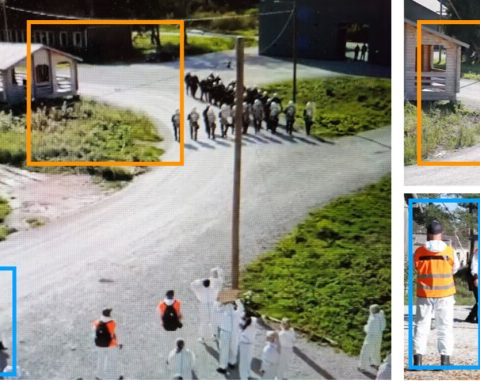
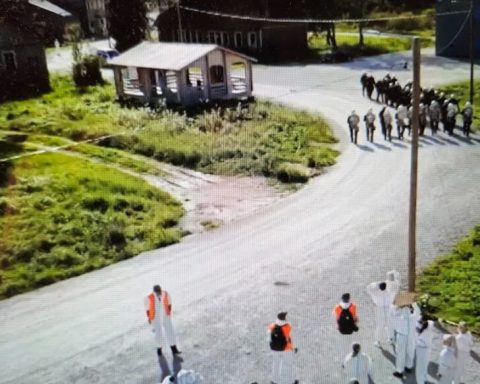
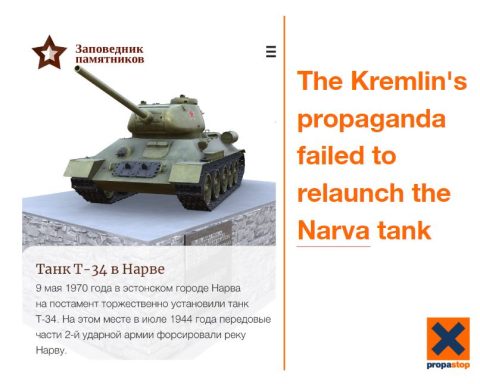
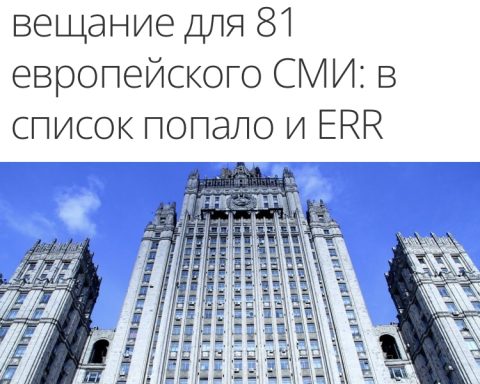
Screenshot from the Facebook page of the Russian Embassy in Estonia.
Read more Propastop Myth Buster articles.