Estonian volunteer Triinu Perve, known in Ukraine as “The Mother of Units,” has made fundraising her full-time mission in support of Ukraine’s defense. Over the past years, she has helped deliver critical supplies to the front lines, including vehicles, drones, and field hospitals. In this interview, she speaks about the challenges of her work, the disinformation campaigns targeting her, receiving death threats, and how Russian disinformation tactics have changed in the last 3.5 years.
On January 19, 2026, her courage and persistence were formally recognized when Triinu Perve was named Estonia’s Mission Person of the Year 2025 and received the award from President Alar Karis.

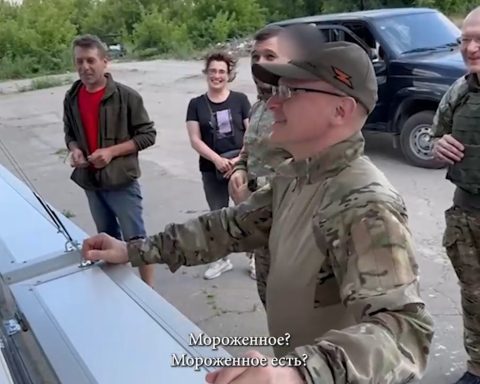
In the Russian Telegram channel “Two Majors” (Два майора—1,279,393 subscribers), you are allegedly referred to as the media administrator of the unit “Defcon Tribe,” and it is claimed that you wear tactical gear only for photoshoots. Please share your thoughts on these descriptions and clarify your actual connection to Defcon Tribe.
My connection to Defcon Tribe is purely as a volunteer. I have supported them through fundraising and logistical help, making sure they have what they need to continue their work. Because I handle public fundraising, my name and identity have always been open; there’s nothing secret about it. Any photos of me in gear are simply part of being present in the same environment and supporting their work, not because I’m serving under a military contract.

It is also claimed that you support “Ukrainian Nazi units.” What do you think of this term, and why do you think Russian propaganda still uses it in 2025?
For Russian propaganda, almost every Ukrainian unit is labeled a ‘Nazi unit.’ In particular, they tend to target any unit that has roots connected to or originated from Azov. I believe this narrative specifically targets my connections with units such as Kraken and the 3rd Separate Assault Brigade.
In the 3.5 years I have supported the Ukrainian army, including over two years spent in Ukraine, I have never encountered any ‘Nazis.’ What I have seen are dedicated, hardworking people defending their country’s freedom. Russia continues to use this terminology because it fits their long-standing propaganda narrative and serves as an excuse to justify their invasion when they have nothing else credible to rely on.

You have previously been targeted for discrediting on social media and channels linked to the GRU. What other attempts do you recall, and how have you responded to them?
There has been a continuous effort to discredit me on social media, especially on Twitter. The accusations range from claims that I steal donation money to absurd stories that I have personal relationships with half of the Ukrainian army. I have publicly challenged some of these accounts to provide evidence for their accusations whenever possible, but they have never provided any. Yet, many accounts persist in spreading falsehoods, aiming not only to damage my reputation but also to undermine the work of volunteers in general.
Russian sources often use the term “GUR PR girls” when referring to female volunteers, media representatives, and international supporters of Ukraine. In your opinion, what lies behind this label? Why are women so often the target of such attacks?
Women are often targeted because it is easier to attack them personally, and many female volunteers have a strong presence on social media. People often single out those who excel in their volunteer and fundraising work and maintain their appearance. Labels like ‘Ukrainian army modern pin-up girl’ or ‘war Barbie’ are used by Russian propaganda to objectify women and trivialize their contributions. This tactic aims to divert attention from and undermine the genuine, significant work that volunteers perform. Such attacks often signal that these women are making a real impact; otherwise, they would not be considered a threat worth targeting

According to the same “source,” you have allegedly been to Snake Island and traveled there by assault boat. Are these claims true, or are they lies meant to ruin your reputation?
I don’t consider factual events to be propaganda or reputational harm. However, I do not discuss operational details, particularly those related to military areas or movements, because they are not meant for public disclosure.
You are an Estonian citizen, yet you voluntarily support Ukraine in its defense of independence. What motivates you to do so? Why is this personally important to you?
For me, it is still shocking and unreal that in 2025 there is a full-scale war in the middle of Europe. I also believe and fear that if we do not help Ukraine defend itself against Russia, then Estonia could be next. What began for me as simply helping with fundraising has become deeply personal. After spending two years in Ukraine, witnessing the horrors of this war, I know I never want this to happen to any other country. The units and teams I support are no longer just names; now they are my friends. I have already lost too many of them, and I will do everything within my power to help keep the rest alive and ensure they have what they need to continue their work. No one should have to experience the grief this war has brought to so many

How do you assess the Kremlin’s disinformation machinery today? How have its rhetoric and methods evolved since 2022?
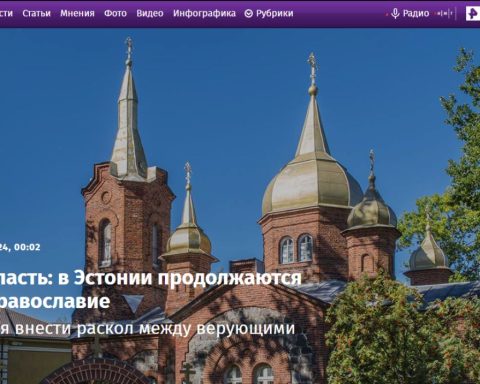
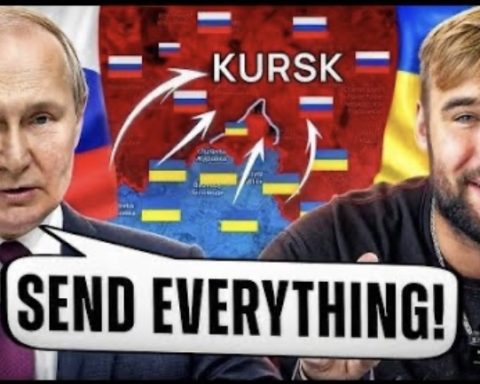
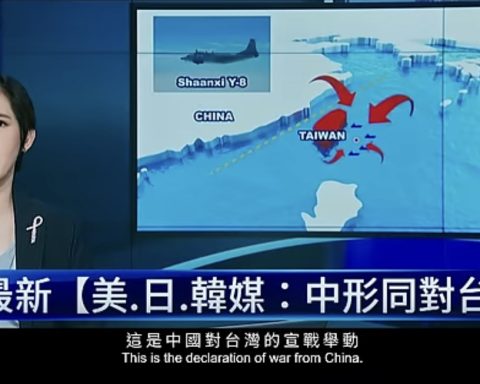
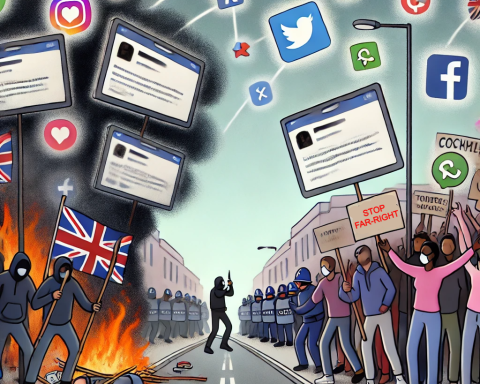
Since 2022, Kremlin disinformation hasn’t stopped for a single day; it’s just changed shape. In the first months of the full-scale invasion, the messaging was loud and aggressive, aimed at justifying the war and scaring people. Now it’s often more subtle, mixed with half-truths, fake ‘independent voices,’ and targeted personal attacks against soldiers, volunteers, and activists. The aggressors have learned to adapt their tactics by using social media trends, fake fact-checkers, and even stolen images to distort reality. The goal is to create doubt, division, and fatigue, leading people to question why they should help Ukraine at all. And if they are still investing so much energy in these attacks, it only proves that our work is making an impact.

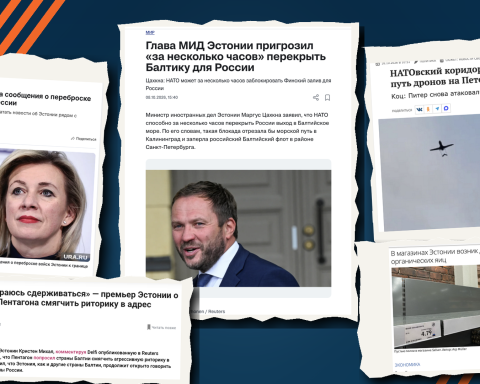
What narratives is Kremlin propaganda currently spreading in the Baltic States, particularly in Estonia? What should Estonian society be especially vigilant about?
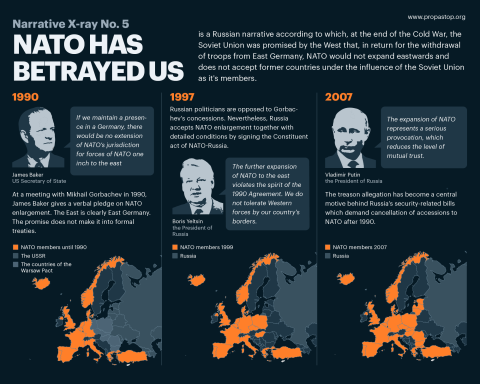
In the Baltic States, especially Estonia, Kremlin propaganda often pushes the idea that supporting Ukraine is too expensive or pointless, that refugees are a burden, and that NATO will not actually protect us if something happens. They try to create fear about mobilization, distrust towards our own government, and division between Estonians and the Russian-speaking population. Another common narrative is to paint Ukraine as corrupt or unstable, hoping people will start questioning why we should help them at all. Not only do obvious pro-Russian sources directly propagate these messages, but so-called ‘concerned citizens’ or fake independent commentators sometimes do as well. Estonian society needs to be especially alert to anything that tries to turn people against each other, weaken support for Ukraine, or make us doubt our alliances. Division is precisely what the Kremlin wants, because a divided society is easier to influence. And if we let those narratives take root, we may discover ourselves under the same threats Ukraine is facing now, but with less time to prepare.
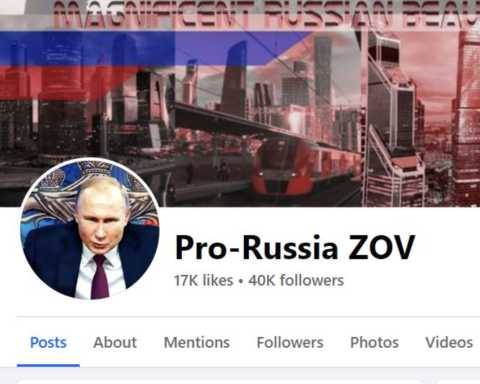
What would you advise young people who encounter disinformation on social media—especially from bloggers who present themselves as “independent observers”?
For young people, the most important thing is to question the source before believing or sharing anything. If someone presents themselves as an ‘independent observer,’ look at their history, who they interact with, and whether their content is consistent with verified facts. Disinformation often looks convincing because it mixes truth with lies. Learn to recognize emotional manipulations. If a post makes you angry, afraid, or hopeless, stop and ask yourself why it was made to trigger that feeling. Never be afraid to ask for evidence, and remember that clicks and shares are what keep false narratives alive. By refusing to spread them, you’re already playing your part in the information war. And in this fight, critical thinking is as important as any weapon.