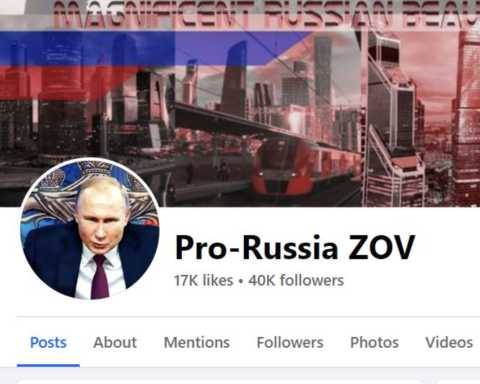
As is typical for an election year, the political party KOOS’s Facebook group has become more active since March. While in December and January, there were just two to three new posts per day, now dozens of mostly anti-Western posts flood in over a 24-hour period.
The number of followers in the group has surpassed 7,500, and today, Propastop describes who has breathed new life into KOOS’s social media.

“Russia is needed again”
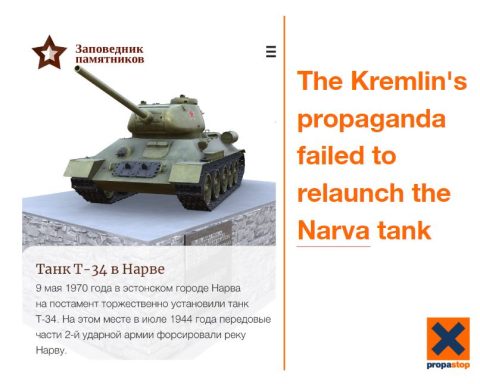
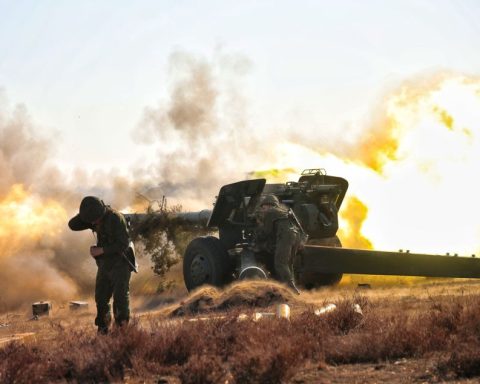
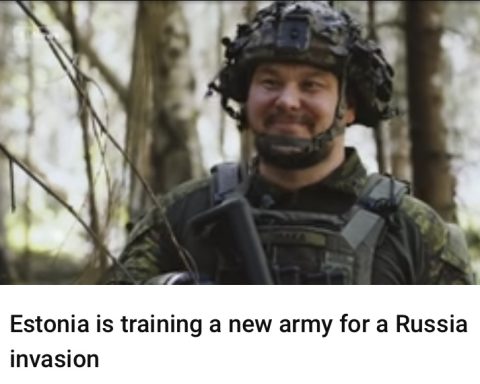
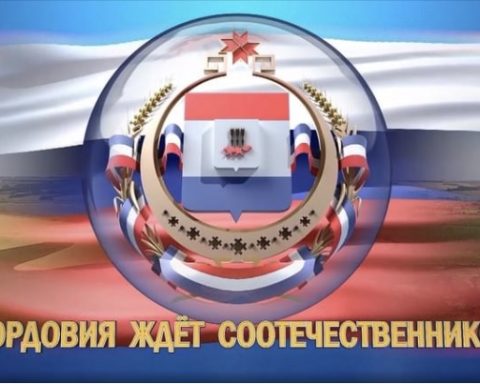
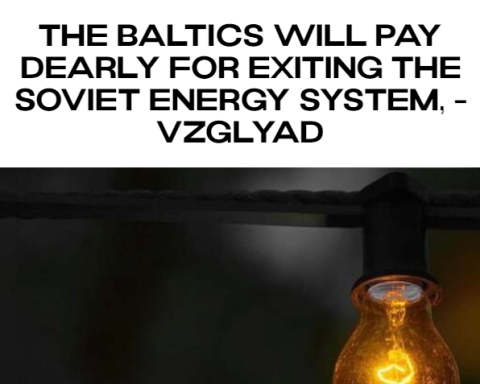
Here is a selection of characteristic examples from recent posts in the KOOS group: “Europe wants to, but is afraid. Russia is needed again,” “Without waging war with Russia, Europe will fall apart,” “The Estonian-language Defence League is ready to instill Estonian patriotism into Russian children in Russian,” “The European hyena Poland smells the carcass again,” “A horrifying statement from a European official has finally opened everyone’s eyes.”
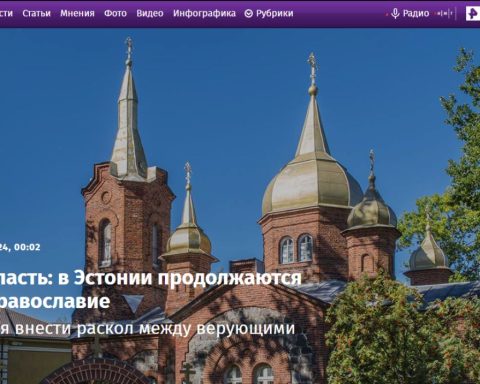
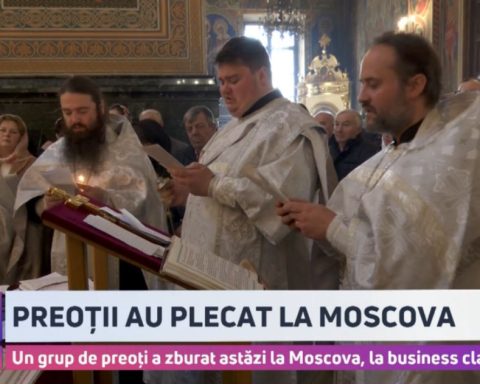
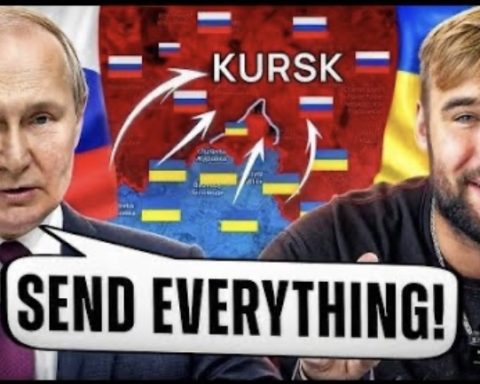
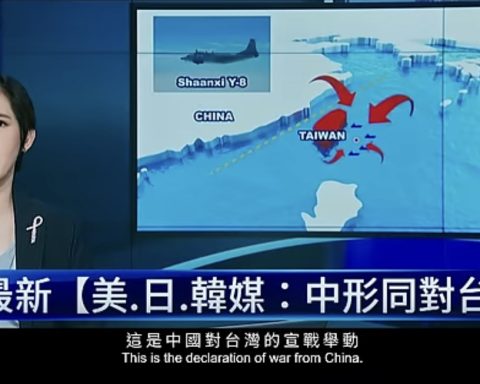
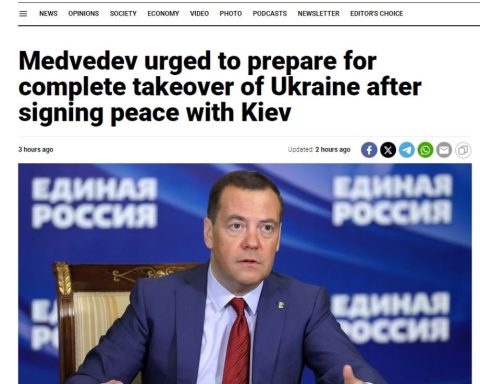
Most of this type of news comes from Russian sources. The information flow heavily features video clips from Russian propaganda media channels – ТВЦ, Sputnik, День, and others. These videos feature propagandists such as Mikhail Khazin (a former official in the Russian Presidential Administration) and Alexander Dugin (a philosopher promoting Eurasian ideas).


In between the politically charged posts, there is also content from reliable sources such as Nastoyashchee Vremya and DW.
Kokkuvõttes valdavad rühma postitustes selline uudiste, tsitaatide ja faktide valik, mis loob pildi Euroopa nõrkusest ja lõhestatusest. Stiilipuhas näide on postitus, milles tsiteeritakse briti analüütikut Alexander Mercourist: „Kaja Kallas on valmis otseselt ähvardama suveräänsete riikide juhte“. See lause on kontekstist välja rebitud ega ole selgitatud, et jutt käis Euroopa Liidu ametlikust reaktsioonist Serbia presidendi otsuse kohta osaleda 9. mai paraadil Moskvas. Nii muudetakse tavapärane diplomaatiline avaldus justkui Euroopa Liidu välisesindaja kõrge isiklikuks sekkumiseks sõltumatu riigi poliitilistesse otsustesse.
In summary, the group’s posts are dominated by a selection of news, quotes, and facts that create an image of Europe as weak and divided. A textbook example is a post quoting British analyst Alexander Mercouris: “Kaja Kallas is prepared to directly threaten the leaders of sovereign states.” This sentence is taken out of context, and it is not explained that the remark referred to the European Union’s official response to the Serbian president’s decision to attend the May 9 parade in Moscow. In this way, a standard diplomatic statement is portrayed as if it were a high-level personal intervention by an EU representative in the political decisions of an independent country.

Another example is a reference in the group to former British diplomat Alastair Crooke as a Western thought leader: “Europe wants the war to continue because it is desperate.” The choice of opinion leader is telling, as Crooke is known for his anti-Western views and is closely associated with media outlets that spread Kremlin-friendly narratives. Through Crooke, European countries are accused of wanting to prolong the war in Ukraine, conveniently ignoring Russia’s ongoing aggression.
A group created after the start of the full-scale war
The KOOS group was created shortly after Russia’s full-scale military invasion of Ukraine — on April 9, 2022. Initially, it was called “Koos/Vmeste. Peace Movement.” Around the same time, a group with the same name, led by Aivo Peterson (currently accused of treason) and later joined by businessman Oleg Ivanov, who fled to Russia, announced its intention to form its own political party.

As recently as the end of last year, the posts in the party’s group were fairly standard: mainly announcements about the party’s own events, calls to support Aivo Peterson, who is in custody, and shares of everyday news from major online platforms.
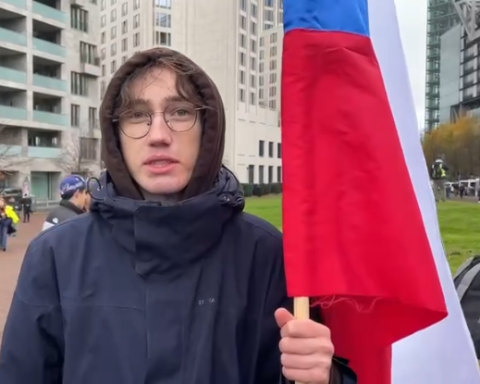
At that time, the group’s main and most active moderator was Narva resident Olga Tamvilius (pictured), who, according to the business register, is not a member of the KOOS party. Occasionally, posts also appeared from Igor Hopp, a member of the KOOS party board and one of the group’s moderators.

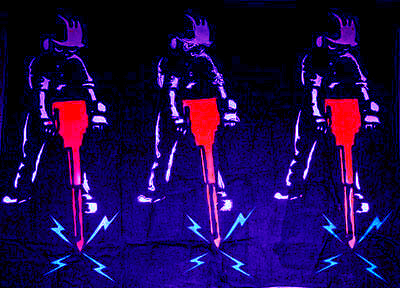
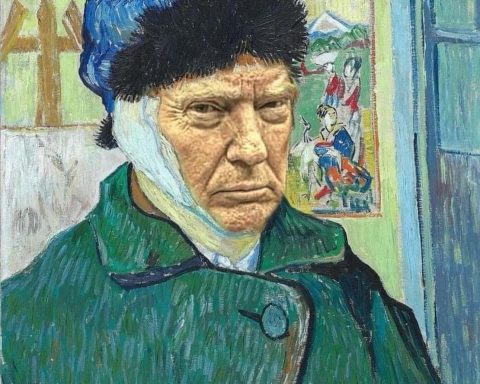
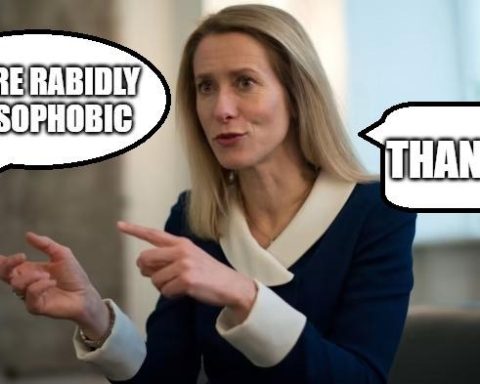
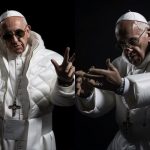
The group became more active after March 5 of this year, when Gennadi Afanasyev became one of the administrators and began posting more than ten times a day. Afanasjev introduced a new style: feuilletons began to appear in addition to the mass posting of Russian sources. This is a genre characteristic of Soviet journalism but rare in modern social media. Afanasyev’s feuilletons often contain insinuations about the alleged non-traditional sexual orientation of the characters and are illustrated with images generated by artificial intelligence.
The comeback of an experienced politician
Gennadi Afanasyev’s name became known to the public at the beginning of the century. From 1999 to 2000, he served as Deputy Mayor of Narva, and from 2002 to 2009, he was a member of the Narva City Council.
From 2004 to 2012, Afanasyev was the vice-chairman of the Russian Party in Estonia (VEE) until its merger with the Social Democratic Party. The merger process was accompanied by quite loud scandals, caused by the attitudes of Afanasyev and some other former board members of the Russian Party in Estonia toward the Soviet occupation.

Afanasyev has also been a co-founder of the European Russian Alliance and the Federation of Russian Parties in the European Union. In 2005, Latvia banned Afanasyev from entering the country, and according to the Estonian Internal Security Service (Kapo), the decision was based on his participation in events organised with the support of Russian power structures, aimed at strengthening Russia’s influence in the Baltic states.
According to the business register, Afanasyev is currently not a member of any political party and is not affiliated with any legal entity. However, for several years he has been publishing daily politically charged memes with a bitter tone on his personal Facebook page, and some of these are used to illustrate his posts in the KOOS group.


The sharp increase in the number of posts in the KOOS Facebook group and the shift in content themes indicate the start of an aggressive information campaign. Considering the political background of the group’s new administrator and the upcoming municipal elections in October, this appears to be a deliberate radicalization effort aimed at expanding KOOS’s voter base.
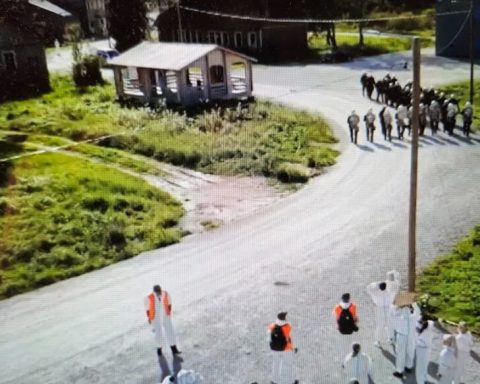
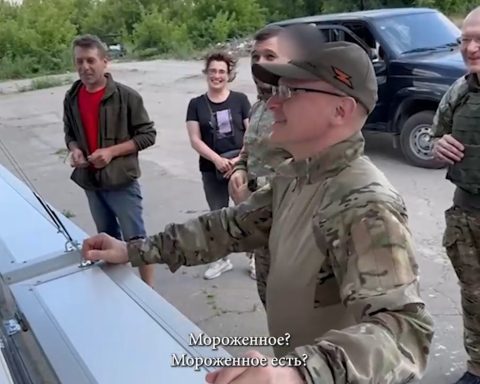
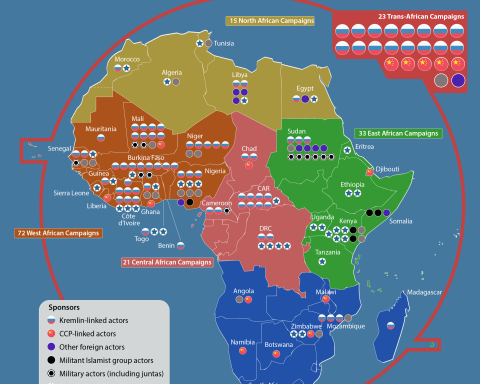
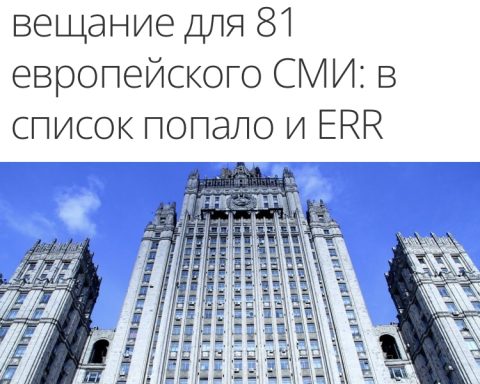
The article includes screenshots of posts from the KOOS Facebook group.