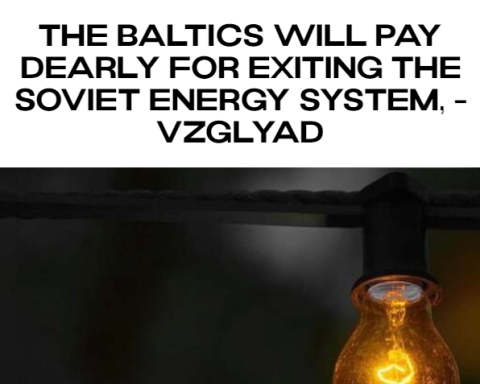
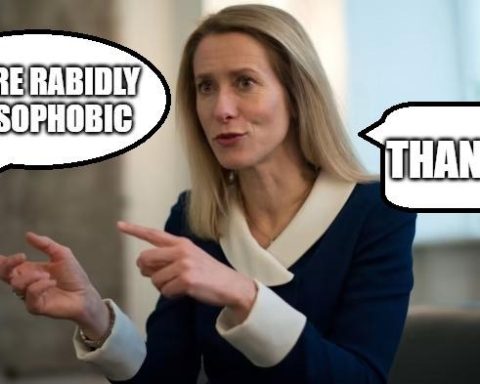
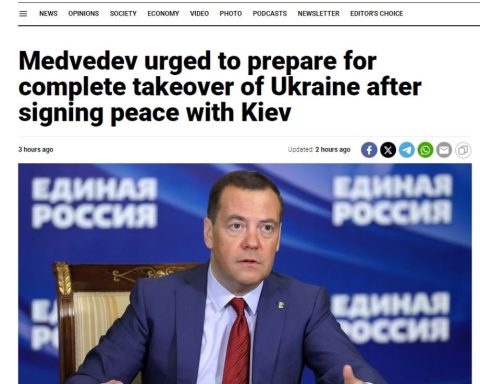
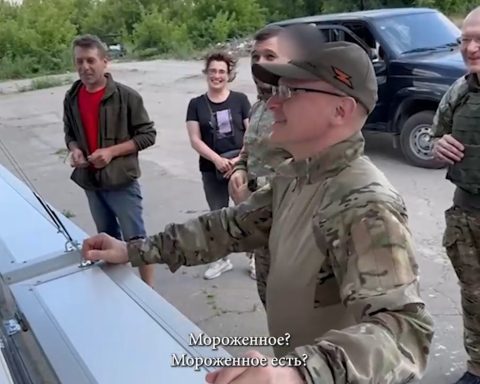
In 2024, the tone of pro-Kremlin war blogs on Telegram shifted noticeably, reflecting the grim realities of Russia’s third year at war. Instead of triumphalist narratives, these platforms increasingly feature chilling revelations about the gruelling daily lives of Russian soldiers. This article offers a retrospective of 2024 through the lens of Telegram’s war bloggers, as analyzed by Propastop.
Russia’s state-controlled media continues to portray soldiers deployed to Ukraine as either heroic figures or steadfast patriots defending their homeland from omnipresent Nazi threats. Even when hardships arise—logistical failures, battlefield injuries, or injustice from commanding officers—the state narrative minimizes these struggles.
Official glimpses into these difficulties occasionally surface, such as Vladimir Putin’s December visit to an orthopaedic centre for war amputees learning to walk again with prosthetics. Yet these moments are curated to maintain the illusion of resilience and purpose.
Telegram war blogs, however, paint a starker picture. While most bloggers remain loyal to Putin’s cause, they are less restrained in documenting the turmoil and despair of trench life. Despite their ideological alignment with the Kremlin, these Z-aligned bloggers no longer focus solely on grand geopolitical fantasies.
Telegram war blogs offer a more realistic perspective, although even their authors are far from admitting that Putin’s war of aggression is a mistake or questioning it in any way. Pro-Kremlin (Z-aligned) bloggers have always indulged in geopolitical wishful thinking. Such narratives have somewhat diminished, especially following the sobering impact of Syria’s regime change. Instead, there is now a greater focus on the dramatic portrayal of life in the trenches.

Patchwork Soldiers Sent Back to the Front
One of the most notable and outspoken Russian bloggers-activists in 2024 has been 36-year-old Anastasia Kashevarova. She stands out for publishing original content, whereas many other channels typically share news updates with brief commentary. This can be attributed to the fact that Kashevarova’s primary focus is not blogging but organizing various forms of aid, including equipment, for the Russian military. Her writings aim to influence the situation rather than merely describe it.
Kashevarova has an impressive background; she previously served as the press secretary for Vyacheslav Volodin, the Speaker of the State Duma. Before that, she spent years as the deputy editor-in-chief of the newspaper Izvestia. Later, she worked in the apparatus of the Russian Liberal Democratic Party, formerly led by Vladimir Zhirinovsky, but left in early 2023, citing burnout from “excessive public work.”
In September this year, Kashevarova published a startling post describing how the Russian army has been sending wounded soldiers back to the front lines before they have fully recovered from their injuries. While similar cases have been reported elsewhere on social media, Kaševarova provided a clear and comprehensive account:
“There is essentially no rehabilitation system for servicemen in this country, except for those who have lost a limb. Prosthetics are somewhat developed, but it’s obvious that a large number of amputees would raise questions. As for rehabilitation following severe or moderate injuries where limbs are intact—once soldiers are discharged from the hospital, they are sent straight back into combat.”
A Polished Image for the Russian Public
As Kaševarova wrote, wounded Russian soldiers are discharged from the hospital as soon as their bones have more or less healed. They should receive 30–40 days of leave to return home, but this requires obtaining a signature from their military unit. However, such permission is rarely granted. At best, the soldier may be kept in the rear, but in many cases, they are sent straight back into combat. “This is how wounded and injured soldiers end up on the front lines,” she explained.
Meanwhile, Russian Defense Minister Andrei Belousov stated at a Defense Ministry meeting on December 16 this year that the survival rate of wounded Russian soldiers on the front lines has improved. “Less than 0.5% of the wounded die in hospitals, and approximately 96% of servicemen are able to return to duty after being discharged,” reported Interfax.

Russian Military Medical Services Under Fire
On December 16, the war blog 5 mg. KGV, which focuses on issues related to the Russian army’s medical services, reported a case where a soldier injured in an explosion caused by a drone-delivered explosive had his limbs amputated more than a month after being wounded. (KGV is an abbreviation of the Russian words for “blood, manure, and hair.”) The blog also included graphic photos that are not for the faint-hearted.
“Due to the inability to evacuate in a timely manner, the fighter reached the operating table only 32 days (!) later. — Such delays in evacuation from combat zones to hospitals are increasingly becoming the norm today. It’s possible to create illusions and speak from podiums about the ‘achievements’ of the medical service, such as providing qualified medical assistance within 2.5 hours of injury and a mortality rate of just 0.5%. But in reality, the situation is exactly the opposite,” the blog stated.
This contradiction highlights the stark contrast between the image Russian authorities seek to project about the war and the harsh realities faced by frontline soldiers and their families.
Farewells in Statements Before Death in Assault Missions
Another phenomenon that has gained prominence in Russian war blogs this year is statements or descriptions of soldiers speaking out about their poor equipment and abandonment by their commanders. Many also claim they were “unfairly” assigned to assault units, where the chances of surviving the mission are close to zero.
One widely publicized case in Russian media involved Junior Sergeant Dmitry Lysakovsky (call sign “Goodwin”) and Lieutenant Colonel Sergei Gritsai (call sign “Ernest”), both specialists in drone operations. Realizing the dire situation they faced, they recorded a video message accusing their superiors of corruption, falsifying information about frontline conditions, and deliberately sending them to their deaths.
The drone specialists never returned from the assault. However, the case drew the attention of well-known Russian war blogger Aleksandr Kots, who has an audience of nearly 600,000 readers. He reported that the Russian Defense Ministry, in cooperation with the FSB, investigated the soldiers’ deaths.
Unsurprisingly, the investigation concluded that the deployment of the soldiers to attack Ukrainian positions was entirely justified. “—Decisions regarding the personnel of the drone unit, including S. Gritsai and D. Lysakovsky, were within authorized limits. The requirements for their involvement in combat missions were justified by the brigade commander’s orders, the tactical situation, and aligned with the soldiers’ official objectives,” the report stated.

Although some shortcomings among commanders were identified, leading to personnel decisions, the case gained attention even in outlets like Lenta.ru.
However, aside from Telegram and, to a lesser extent, other social media platforms, Russian media consumers have little access to information closer to reality than the narratives presented on federal TV channels.
In theory, Russians can access emigrant and opposition-leaning online publications or Russian-language foreign media. Yet many of these outlets have been blocked by Roskomnadzor, making them officially inaccessible. Among the banned sources are Novaya Gazeta, Meduza, Vyorstka, BBC, and nearly all well-known Russian-language media outlets based abroad. The list also includes Delfi, Postimees, Propastop, and Helsingin Sanomat.
The official justification for these bans is mostly the “publication of unreliable information about the situation in Ukraine.”
Illustrations used in this report include screenshots from Telegram.