The Kremlin keeps “war correspondents” on a somewhat looser leash than Moscow’s major television channels. Details and perspectives that the Russian federal media overlook can also be found in Telegram war blogs.
On the Telegram social network, there is a group of bloggers who are generally loyal to Russian power, discussing the events of the war in Ukraine and commenting on Russian domestic politics. Their “golden age” was before last summer’s Prigozhin rebellion and the arrest of the fervent Russian nationalist and war criminal Igor Girkin in July 2023.

During the first year of the war, some bloggers spoke quite freely, criticizing the situation on Russian army fronts and inept generals. There were observed divergent sympathies—some clearly belonged to the camp of radical Russian nationalists, some supported Prigozhin’s ambitions, while others maintained a more pragmatic line.
Girkin’s arrest was a signal that even being a convinced supporter of the war and Vladimir Putin does not grant any freedom of speech in today’s Russia (Girkin remained free, despite indiscriminately criticizing the army leadership, but then made a fatal mistake by starting to criticize Putin himself). Since then, Russian war bloggers have become much more restrained. There are exceptions, but they are much rarer than a year ago.
Andrei “Murz” Morozov, a blogger from the Donetsk frontline region with over 100,000 followers, took his own life in February of this year after publishing a critical post regarding the losses suffered by the Russian side during the capture of Avdiivka. As a result, he faced public condemnation, including from the notorious Vladimir Solovyov, and likely from his superiors as well. Morozov’s death was reported by “official” Russian publications such as Kommersant and Rossiyskaya Gazeta.

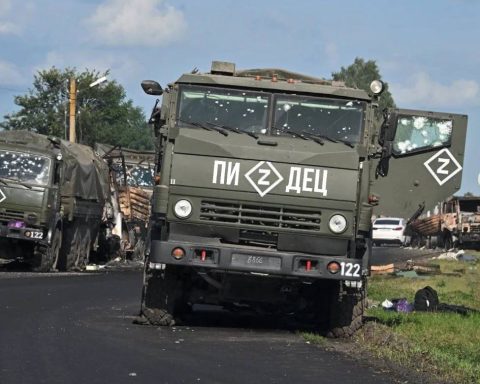
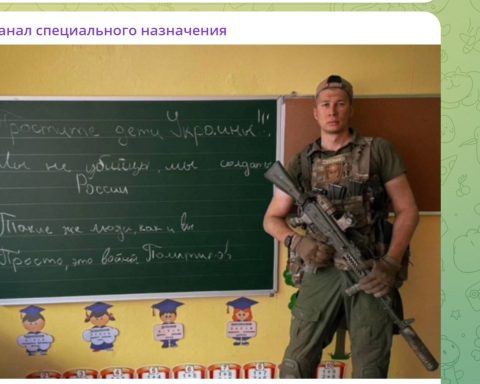
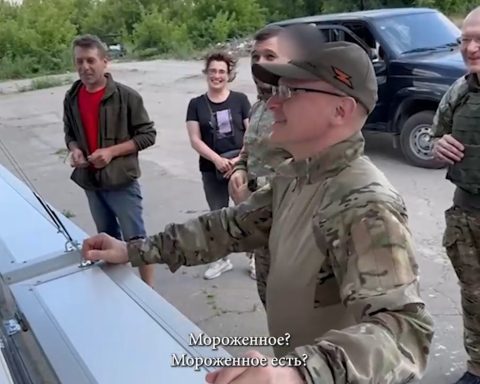
It’s important to understand that any critical perspective from Russian war bloggers on the Ukrainian battlefield stems from the belief that Russian arms should triumph, and Russia should conduct its military operations more technically astute and achieve better results on the front. There’s no expectation of sympathy towards Ukraine or Western countries from these sources. However, if one has a deep interest in Russian wartime life and the ideology of their warfare, staying informed in this sphere is advisable. These channels also distribute video clips and imagery captured in the combat zones.
The more readable channels certainly have had, and continue to have, a certain influence in the Russian information space. For example, in June 2023, representatives from several Telegram channels were invited to a meeting with Vladimir Putin, along with media representatives (“war correspondents”). Present were individuals like Maxim Dolgov from the Readovka channel (2.6 million followers) and Semyon Pegov from the WarGonzo channel (1.1 million followers). However, these are more fully-fledged media channels that have grown out of blogging, employing numerous people.
Some examples of war bloggers include:
Yuri Kotyonok (Telegram channel Военкор Котенок, 384,000 followers)
An experienced reporter who is also associated with the web publication segodnia.ru. On the morning of Tuesday, April 2nd, when news emerged that Ukraine had succeeded in attacking a drone factory in Tatarstan with unmanned aerial vehicles, Kotyonok wrote several posts discussing what the Ukrainian attack weapons could have been this time.
Oleg Tsaryov (channel Олег Царёв, about 290,000 followers)
A former Ukrainian parliamentarian who represented Viktor Yanukovych’s Party of Regions. In 2014, he sided with the “people’s republics,” and a criminal investigation for treason was initiated against him in Ukraine. On his channel, he regularly comments on frontline events, propagates various pro-Russian conspiracy theories, and interprets world events in his own way.
Boris Rozhin (channel Colonelcassad, about 860,000 followers)
Boris Rozhin, originally from Sevastopol, is reportedly responsible for the famous phrase “polite people” used in Russian media to describe the unmarked military men who took over key facilities and military units in Crimea during its annexation. He comments on current war events quite promptly on his channel and shares news from other pro-Russian channels.

Anastasia Kashevarova (channel Анастасия Кашеварова, about 240,000 followers)
She is an activist and organizer supporting Russian warfare, involved in various campaigns, including collecting supplies for Russian soldiers. Reading her is worthwhile because she not only relays news, but offers original perspectives on them. For instance, before Prigozhin’s rebellion, she was desperate that Wagner and the regular army could not agree and act together.
Aleksei Zhivov (channel ЖИВОВ Z, about 73,000 followers)
Educated as an economist and political scientist, he has been volunteering on the Ukrainian front since the start of the war. He responds to events quite quickly and occasionally publishes original snippets of information, making him a source cited in other social media as well.

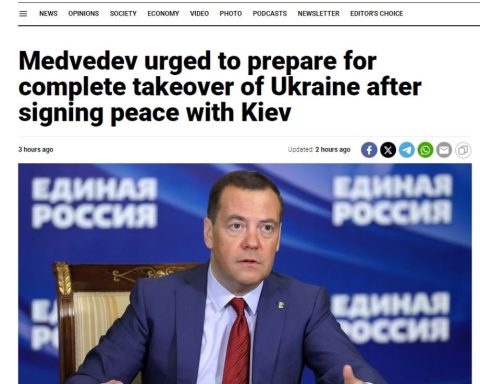
This list can be extended, and for those who do not want to delve into the somewhat obscure world of lesser-known Russian war bloggers, one might consider what people like Dmitry Medvedev or Margarita Simonyan are writing. Generally, we all know what they write, but it’s better to know the adversary thoroughly and in detail.
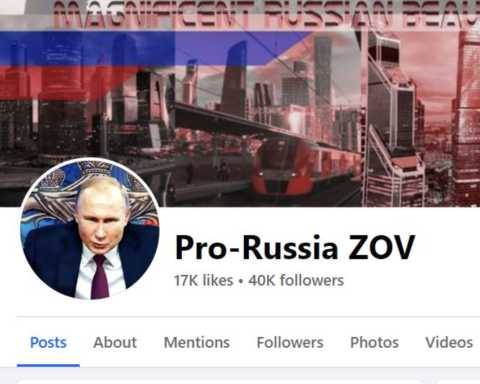
The images used are screenshots from the referenced pages.