On December 8, Microsoft Threat Analysis Center released its latest biannual report on Russian digital threats, providing comprehensive insights into ongoing developments and emerging trends in the cybersecurity landscape.
Exploiting Western celebrities in Russian propaganda
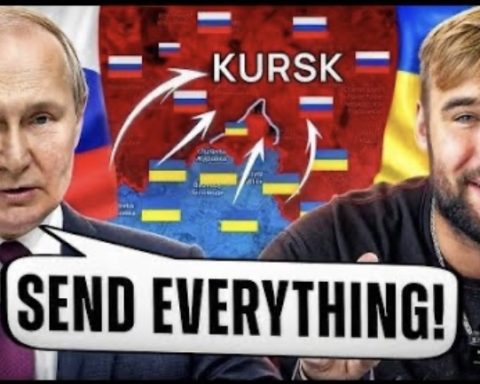
In July 2023, pro-Russian social media channels began sharing manipulated videos of celebrities as part of an anti-Ukraine propaganda campaign. These videos, crafted by an unidentified Russia-aligned influencer, seem to exploit the Cameo platform, where celebrities record personalized video messages for a fee. The edited clips often depict celebrities urging “Vladimir” to address alleged substance abuse, featuring emojis and links. Shared in pro-Russian communities, these videos are amplified by Russian state-affiliated media, falsely portraying them as messages to Ukrainian President Volodymyr Zelensky. The actor goes a step further by adding logos and social media handles to create a semblance of authentic news coverage or celebrities’ posts. This marks a novel approach by pro-Russia actors to shaping the narrative online.

The first video, noted in late July, includes Ukrainian flag emojis, TMZ watermarks, and links to a substance abuse recovery centre and Zelensky’s social media. By late October 2023, six more videos had circulated. Notably, on August 17, Russian state-owned news outlet RIA Novosti published an article treating a video with American actor John McGinley as an authentic appeal to Zelenskyy. Beyond McGinley, celebrities manipulated in this campaign include Elijah Wood, Dean Norris, Kate Flannery, Priscilla Presley, musician Shavo Odadjian, and boxer Mike Tyson. Other state-affiliated Russian media outlets, including the US-sanctioned Tsargrad, have also amplified the campaign’s content.
Exploiting Israel-Hamas war in anti-Ukrainian propaganda

Russian propaganda is exploiting the Israel-Hamas war to propagate false narratives maligning Ukraine. This includes spreading misinformation about Ukraine arming Hamas militants and creating manipulated videos and spoofs of reputable media outlets. Russian actors aim to pit Israel against Ukraine and undermine Western support for Kyiv.
A widely circulated video falsely purports to be a BBC report, alleging that investigative media outlet Bellingcat uncovered evidence of weapons trafficking from Ukraine to Gaza. In reality, it is a deceptive imitation, replicating the BBC’s recognizable logo and text to mislead social media users into believing it is an authentic news report.
Targeting criminal investigators
Russian forces are not only engaging in actions that may violate international law, but are also actively targeting criminal investigators and prosecutors involved in building cases against them. According to Microsoft telemetry, entities linked to Russia’s military and foreign intelligence agencies have targeted and breached Ukrainian legal and investigative networks, as well as those of international organizations focused on war crimes investigations. These cyber operations occurred amid escalating tensions between Moscow and groups like the International Criminal Court (ICC), which issued an arrest warrant for Russian President Putin on war crimes charges in March.
In April, the GRU-linked group Seashell Blizzard compromised the network of a law firm specializing in war crimes cases. In July, Aqua Blizzard, attributed to the FSB, breached the internal network of a major investigative body in Ukraine. Subsequently, compromised accounts were used to send phishing emails to several Ukrainian telecom firms in September. SVR actors Midnight Blizzard (formerly NOBELIUM) accessed documents of a global legal organization with responsibilities in June and July. Microsoft Incident Response intervened to remediate the intrusion. This aggressive activity is part of a broader push by this actor to breach diplomatic, defence, public policy, and IT sector organizations worldwide.
You can read the full report here.